

Frost on your outdoor heat pump doesn't automatically mean something is wrong. In fact, a thin layer of frost and some steam during the defrost cycle are usually normal. But what if the coil is covered in solid ice, the outdoor fan isn't spinning, or snow is blocking the entire unit?
Here's a quick 60-second check for Kingston homeowners:
- Normal: Light frost appears on the outdoor coil, followed by steam as the heat pump defrosts. The frost should clear as the cycle completes. Depending on the equipment and conditions, defrost may occur at intervals of roughly 30 to 90 minutes.
- Time to call an HVAC technician: Solid ice keeps building up, the fan remains stopped outside a normal defrost cycle, the unit is buried in snow, or backup heat keeps running without switching off.
Winter conditions around the Wyoming Valley can make frost more frequent, while drifting snow in the Back Mountain and Mountain Top can restrict airflow. Let's look at what's normal, what signals a problem, and what you should do when your heat pump freezes up.
Is It Normal for a Heat Pump to Freeze Up in Winter?
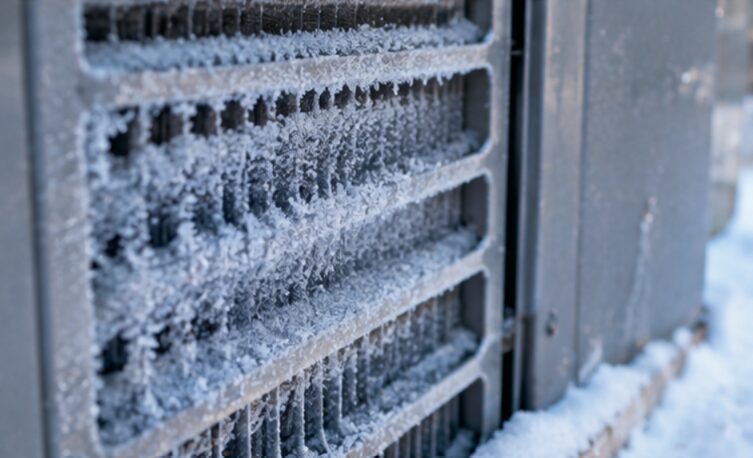
Yes, a thin layer of frost on your outdoor heat pump coil can be completely normal. During heating, the outdoor coil becomes colder than the surrounding air. Moisture in that air can collect on the coil and freeze, especially during damp weather near freezing temperatures.
Your heat pump has an automatic defrost cycle to melt that frost. You may notice steam rising, water dripping from the unit, or the outdoor fan temporarily stopping. These are usually signs that the system is clearing frost as designed.
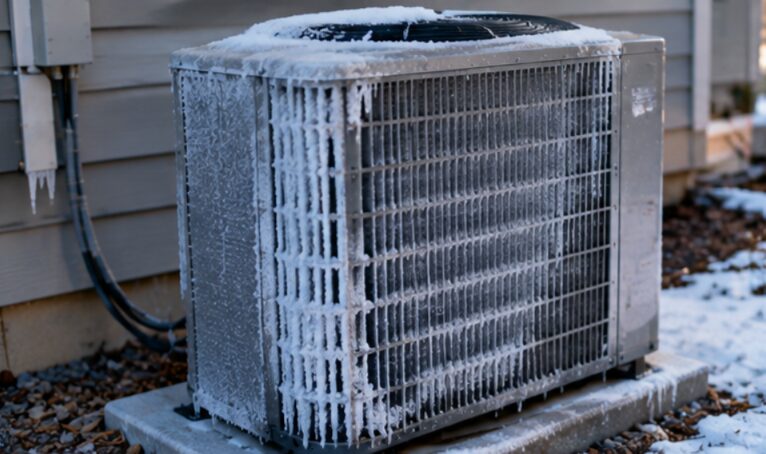
The real test is whether the ice clears. If the unit repeatedly frosts and defrosts, it may be operating normally. If thick ice remains on the coil, fan, or cabinet and continues building, something may be preventing proper defrosting or drainage.
How to Tell Normal Frost From a Heat Pump That Needs Repair
You do not need to remove the outdoor unit's panels or touch the coil to make an initial assessment. Look at the unit from a safe distance and pay attention to what happens over time.
| What you notice | What it may mean |
|---|---|
| Thin, white frost on the outdoor coil | Usually normal in cold, damp weather |
| Steam rising during defrost | Usually normal moisture evaporating |
| Water dripping beneath the unit | Normal when melted frost drains away |
| Solid ice covering the coil | Possible defrost or airflow problem |
| Ice around the fan blades or guard | Needs professional attention |
| Fan not spinning outside a normal defrost cycle | Possible mechanical or electrical problem |
| Unit buried in snow | Restricted airflow and potential operating problems |
| AUX or backup heat running continuously | The heat pump may not be keeping up |
One important detail: the outdoor fan can temporarily stop during a normal defrost cycle. Do not assume the fan has failed just because it pauses briefly. However, if the unit remains heavily iced or the fan does not resume after defrost, have it inspected.
How Does a Heat Pump Defrost Cycle Work?
A heat pump does not need to be manually defrosted every time you see frost. Its controls monitor operating conditions and activate defrost when needed.
During this process, the system temporarily changes refrigerant direction to warm the outdoor coil and melt accumulated frost. The outdoor fan may stop, and you may hear a change in operating sound. Steam can rise as the melted frost evaporates.
Defrost timing varies by equipment and outdoor conditions. Some systems may initiate a cycle after roughly 30 to 90 minutes of heating operation when conditions call for it, but that does not mean the defrost cycle itself should last that long. The actual melting process is generally much shorter and depends on the equipment. If your unit seems to stay in defrost, repeatedly builds up ice, or struggles to return to normal heating, it is time to investigate.
Why Is My Heat Pump Freezing Up in Kingston, PA?
Kingston-area weather and property conditions can make outdoor heat pumps more vulnerable to visible frost and snow-related problems. Here are four common factors worth understanding.
Damp Valley Air and Frequent Frost
Homes near the Susquehanna River and the Wyoming Valley can experience damp winter conditions. When moisture in the air reaches the cold outdoor coil, it can freeze. Your heat pump may need to defrost more frequently to keep the coil clear.
Drifting Snow in the Back Mountain and Mountain Top
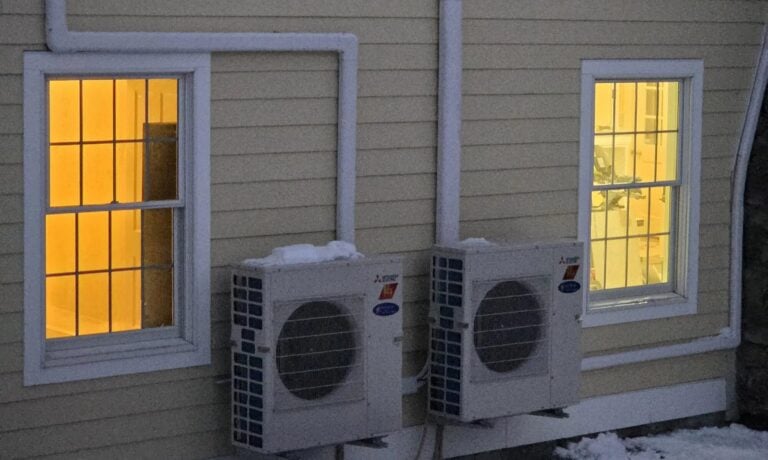
Snow drifting around an outdoor unit can block the air it needs to operate. A unit that is partly buried may struggle to move enough air through its coil, reducing heating performance and contributing to icing problems.
Water Dripping From the Roof or Gutters
One of the most common causes of a heavily iced heat pump is water falling onto it from above. A leaking or overflowing gutter, or meltwater running off a roof edge, can drip onto the top of the unit and refreeze into a thick layer of ice that the defrost cycle cannot clear. The fix is usually redirecting the water, not repairing the heat pump.
Drainage Problems Around the Outdoor Unit
Melted frost needs somewhere to drain. If water collects beneath the unit and freezes again, ice can build up around the base. A unit sitting too low, without a stand or pad that lifts it above snow and drainage water, makes this worse.
If your heat pump continues to freeze despite normal defrost cycles, the problem may require a closer inspection. A technician can check the outdoor coil, defrost controls, sensors, airflow, and drainage to identify the cause. Learn more about our heat pump repair services if your system is experiencing persistent ice buildup or reduced heating performance.
What Can Cause Heavy Ice to Build Up on a Heat Pump?
When frost does not clear, the problem may involve more than the weather. Several components and operating conditions can interfere with normal defrosting.
- Dirty air filter: Restricted indoor airflow can reduce heating performance and strain the system.
- Outdoor coil blockage: Leaves, debris, snow, or other obstructions can interfere with airflow.
- Defrost control failure: A faulty control board may prevent the system from starting or completing defrost properly.
- Sensor problems: Incorrect temperature readings can interfere with defrost timing.
- Outdoor fan trouble: A damaged motor or electrical issue can prevent proper airflow through the outdoor coil.
- Refrigerant problems: Low refrigerant from a leak makes the outdoor coil run colder than it should, so ice forms faster than the defrost cycle can clear it.
- Stuck reversing valve: The valve that switches the system between heating and defrost can stick, leaving the unit unable to warm the outdoor coil.
These problems can look similar from the outside, so ice alone does not identify the failed component. A technician needs to inspect the equipment and test its operation before recommending a repair.
What Should You Do If Your Heat Pump Is Frozen?
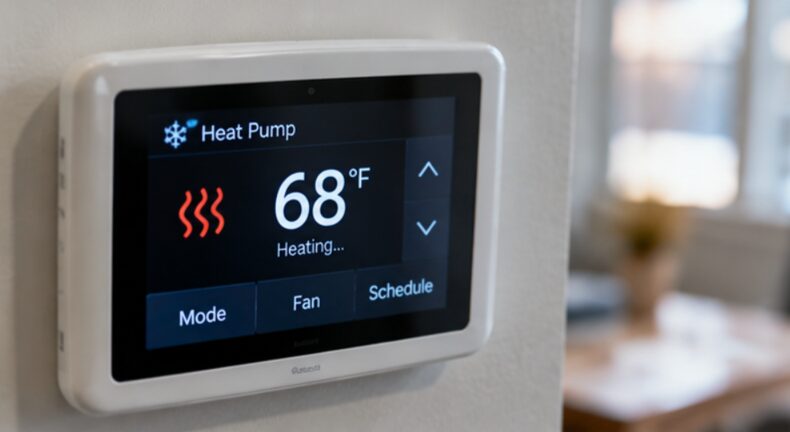
If you notice ice building up on your outdoor heat pump, don't panic. Start by checking the thermostat, air filter, and area around the unit. A few simple checks can help identify airflow or snow-related issues, but never attempt to remove ice or open the equipment yourself.
What you can safely do:
- Clear surrounding snow: Gently remove snow around the unit while keeping the manufacturer's required airflow clearance.
- Check the air filter: Replace or clean a dirty filter according to the equipment instructions. It's one of the simple heat pump maintenance tips that help all winter.
- Check thermostat mode: Make sure the thermostat is set to HEAT and not accidentally switched to COOL.
- Observe the defrost cycle: Watch from a safe distance to see whether frost clears and the outdoor fan resumes normal operation.
- Check for blocked airflow: Look for leaves, debris, snow, or objects obstructing the outdoor unit.
What you should not do:
- Do not chip, scrape, or break ice off the coil or fan.
- Do not pour hot water over the outdoor unit.
- Do not use a hair dryer, heat gun, or other direct heat source.
- Do not reach inside the unit or attempt electrical or refrigerant repairs.
- Do not repeatedly change thermostat modes to force the system to defrost.
If the house is getting cold while you wait for a technician, you can switch the thermostat to EMERGENCY HEAT (often shown as EM HEAT). This runs the backup heat on its own and gives the outdoor unit a rest. Emergency heat costs more to run, so treat it as a short-term measure until the system is inspected.
If your heat pump is covered in solid ice, the outdoor fan is obstructed, or your home is not getting enough heat, avoid further troubleshooting and have the system inspected by a professional. A qualified technician can identify the cause and recommend the right repair to get your system working properly again.
When Should You Call an HVAC Technician in Kingston, PA?
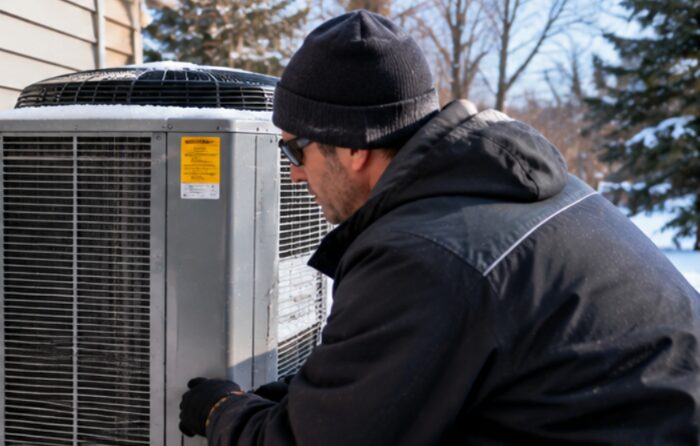
A little frost on your heat pump is usually nothing to worry about, but certain signs indicate that your system needs professional attention. If you notice any of the following problems, it is best to have the unit inspected before the issue affects your home's heating:
- Your home is not getting warm: The heat pump runs continuously but struggles to maintain the thermostat's temperature setting.
- Backup heat runs constantly: The auxiliary heat indicator stays on for extended periods, potentially pointing to a heat pump performance problem.
- Defrost cycles seem unusual: The unit repeatedly enters defrost, stays in that mode unusually long, or fails to clear accumulated frost.
- You hear unusual noises: Grinding, rattling, or other unfamiliar sounds may indicate a mechanical problem.
Avoid removing ice yourself or opening the outdoor unit to investigate. A qualified HVAC technician can inspect the coil, fan, defrost controls, sensors, refrigerant system, and drainage to identify the actual cause. Addressing the problem early can help prevent further equipment damage and restore reliable heating before the next cold spell hits Kingston.
Why Choose KO HVAC for Heat Pump Repair in Kingston, PA?
A frozen outdoor unit does not always mean you need a heat pump replacement. The problem could be related to restricted airflow, poor drainage, a faulty sensor, or a defrost control issue. At KO HVAC Heating & Cooling, we focus on identifying the actual cause rather than recommending unnecessary replacements. Our team serves Kingston, Dallas, Mountain Top, and surrounding Northeast Pennsylvania communities.
If your heat pump keeps freezing up, struggles to maintain indoor temperatures, or has trouble completing its defrost cycle, our technicians can help identify and address the problem. We are a Mitsubishi Electric Elite Diamond Contractor, a Carrier dealer, and a locally owned HVAC company based in Kingston. We also offer yearly heat pump maintenance to help keep your equipment operating reliably through changing seasons. Ductless systems use the same defrost process, so our ductless mini-split repair covers wall-mounted units that ice up too.
If you are noticing persistent ice buildup or unusual heat pump operation, book a $99 diagnostic visit. We will explain our findings and provide flat-rate repair pricing before any work begins. Call KO HVAC at 570-479-0603.
Frequently Asked Questions
Should I turn off my heat pump if it is covered in ice?
If the unit has heavy ice blocking the fan or covering the coil, or it is not heating properly, contact an HVAC technician. Do not try to chip the ice away. If the fan is obstructed or the unit appears to be struggling, avoid continued operation until you receive professional guidance.
How often should a heat pump go into defrost mode?
There is no single schedule for every heat pump. Defrost frequency depends on outdoor temperature, humidity, equipment design, and how much frost forms on the coil. A system may defrost more often during damp, near-freezing weather than during colder, drier conditions. What matters most is that each cycle clears the frost.
Why does my heat pump blow cooler air for a few minutes in winter?
That is usually the defrost cycle. While the system warms the outdoor coil to melt frost, it briefly stops sending full heat indoors, and the air from your vents may feel cooler. Many systems turn on backup heat during defrost to soften this. If it happens constantly or lasts a long time, have the system checked.
Does snow damage an outdoor heat pump?
Snow itself does not automatically damage a heat pump, but deep drifts can block airflow and interfere with operation. Keep the area around the unit clear, maintain the manufacturer's recommended clearance, and make sure snow sliding from a roof or water dripping from a gutter cannot bury or ice over the equipment.
How much does KO HVAC charge to diagnose a frozen heat pump?
KO HVAC charges $99 for a diagnostic visit. The visit covers finding the problem, and the fee is not credited toward the repair. If a repair is needed, our team provides flat-rate pricing before starting the work.