

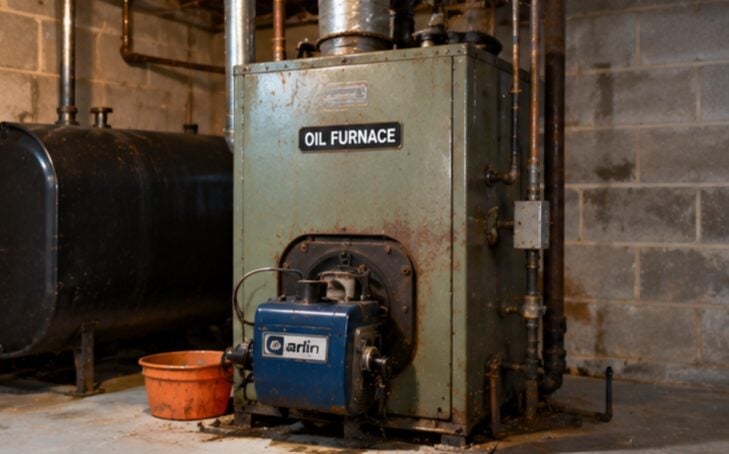
Your oil furnace is getting older, oil deliveries are becoming expensive, or you are tired of keeping an eye on the tank. Now you are considering a replacement, but there is one big question: Should you switch to natural gas or install a heat pump?
For homeowners in Kingston, PA, the answer depends on more than which system has the lowest advertised price. Natural gas availability on your street, the condition of your basement, your existing ductwork, and your home's electrical capacity can all change which option makes the most sense.
If natural gas is already available at your property and the conversion cost is reasonable, a gas furnace is often the more straightforward replacement for an oil furnace. If gas is unavailable or you want to move away from delivered heating fuel, a properly sized cold-climate heat pump is worth serious consideration. Keeping an oil system may still be reasonable if the equipment is relatively new and a conversion would require expensive upgrades. Let's look at what each option means for your Kingston home.
Does Natural Gas Reach Your Street in Kingston, PA?
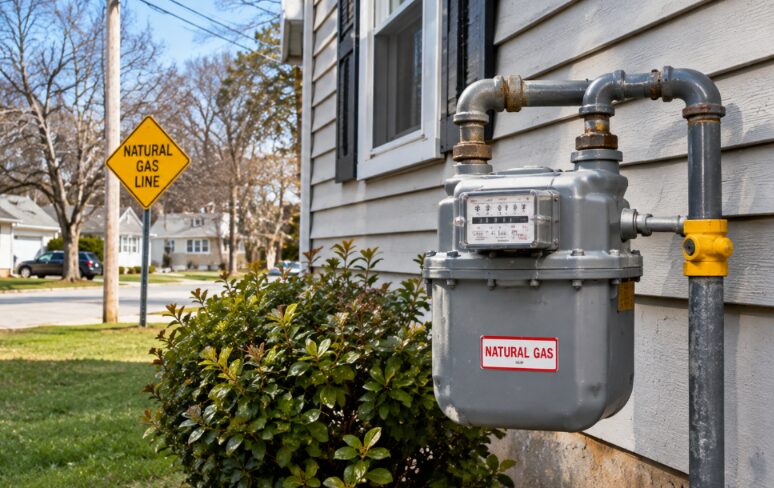
Before comparing gas furnaces and heat pumps, find out whether your home can actually connect to natural gas. UGI serves many communities in Luzerne County, including Kingston Borough and Kingston Township. However, being within UGI's service territory does not automatically mean a gas connection is available at your property.
The gas main may be nearby, or your street may require an extension before your home can receive service. That difference can significantly affect the cost of switching from oil to gas.
UGI provides an online address-availability process to help homeowners check whether natural gas service can be provided. The utility can also determine whether additional construction or a contribution toward extending the gas main is necessary. UGI also handles the permit for new gas service from the street, and KO HVAC can pull the permit your municipality requires for the furnace work inside your home.
If gas is already available at your property: A gas furnace may be a practical replacement because you can avoid the cost and complexity of extending the utility main.
If gas is not available: Do not assume that extending a gas line is automatically worth the expense. Compare the full connection and installation costs against a heat pump installation before making a decision.
You can check your property through UGI's natural gas availability tool.
What Will It Take to Replace Your Oil Furnace With Gas?
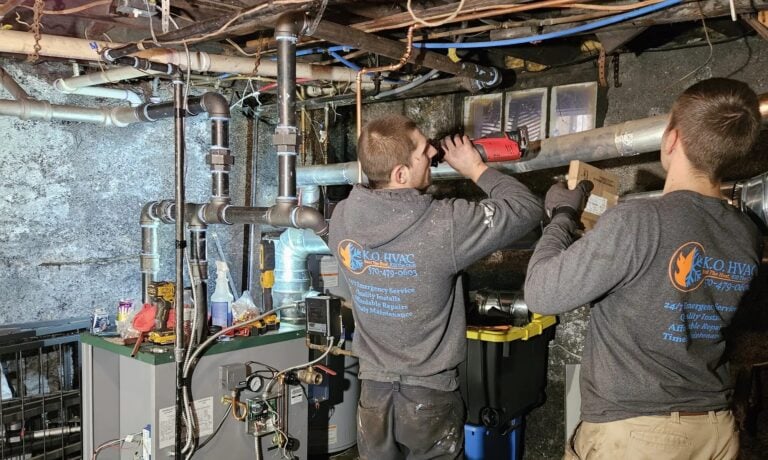
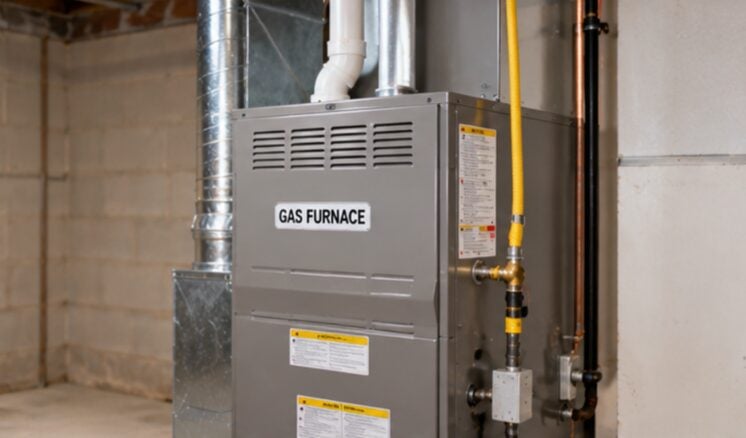
If natural gas is available, the next question is how much work your home needs before a gas furnace can be installed. An oil furnace and a gas furnace may both heat your home through existing ductwork, but switching fuels is not simply a matter of replacing one appliance with another. Your contractor needs to inspect the existing equipment, fuel storage, venting, gas piping requirements, and electrical connections.
Here are some things that may affect the conversion:
- Oil tank: Your existing oil tank may need to be removed or properly decommissioned. The work depends on whether the tank is above ground or underground, its condition, and applicable requirements. An underground tank in particular should be handled by a licensed tank contractor, not emptied or removed by the homeowner.
- Gas piping: A new gas line must be properly sized and installed from the meter to the furnace. The route and distance can affect installation labor.
- Venting: A new gas furnace may require a different venting arrangement. High-efficiency models commonly use dedicated venting rather than relying on an existing chimney.
- Condensate drainage: Some high-efficiency gas furnaces produce condensate that needs a suitable drain or pump.
- Ductwork: Existing ductwork should be checked for airflow, sizing, leakage, and condition before connecting new equipment.
If your existing ductwork is in good condition, you may be able to use much of it with a new gas furnace. That can make the conversion more straightforward than installing an entirely different distribution system. For homeowners considering a gas furnace, the important thing is to get the complete conversion price, not just the price of the furnace itself.
Is a Heat Pump a Better Choice for Kingston Winters?
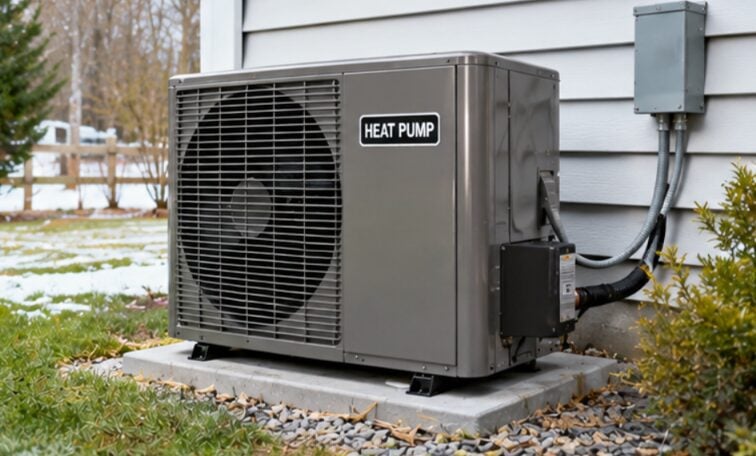
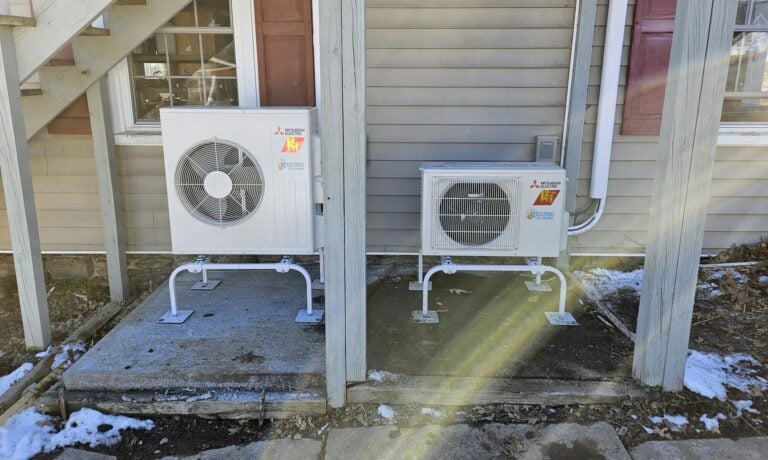
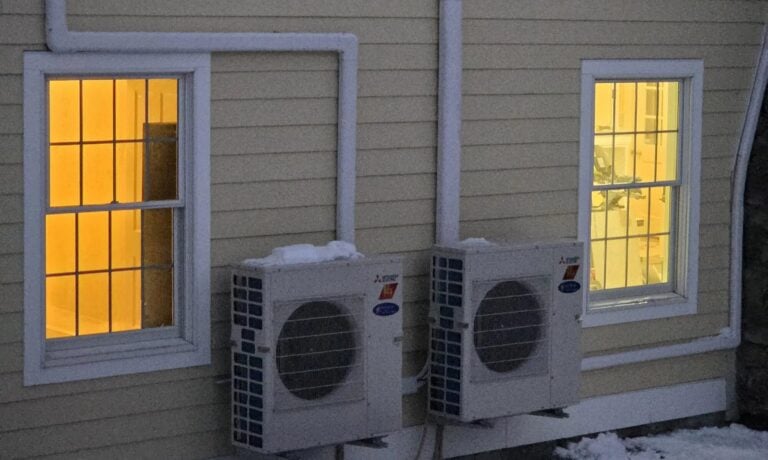
A heat pump is another option if you want to replace your oil furnace. Unlike a furnace, which generates heat by burning fuel, a heat pump moves heat from the outdoor air into your home. It can also reverse the process to provide air conditioning during warmer months.
But will it work during a cold Pennsylvania winter?
Yes, a properly selected cold-climate heat pump can provide heating in this region. Modern cold-climate heat pumps are designed to operate in lower outdoor temperatures than older heat pumps. However, their heating capacity and efficiency still change as outdoor temperatures fall.
That is why equipment selection matters. A contractor should calculate your home's heating load and check the manufacturer's performance data at low outdoor temperatures. Simply installing a standard heat pump without considering winter conditions can leave a home struggling to maintain comfortable temperatures.
A heat pump installation may also require:
- An electrical load assessment to confirm your panel and service can support the equipment.
- A check of existing ductwork for the airflow required by the new system.
- A decision about backup or supplemental heat for colder conditions.
- Proper outdoor unit placement with sufficient clearance for airflow, snow, and drainage.
For a home with suitable ductwork and adequate electrical capacity, a cold-climate heat pump can be an excellent alternative to an oil furnace. It also provides cooling, which may eliminate the need for a separate central air conditioning system.
Gas Furnace or Heat Pump: Which Is Better for Your Home?
There is no single winner for every Kingston homeowner. The better choice depends on your property's setup, installation costs, and heating priorities. A gas furnace is often the simpler choice when a home already has access to natural gas. It provides familiar furnace-style heating and avoids relying on an oil delivery schedule.
A heat pump becomes more attractive when gas service is unavailable, you want both heating and cooling, or you prefer an all-electric system. However, the right model must be selected for the home's heating load and local winter conditions.
| Your home's situation | Option worth considering |
|---|---|
| Natural gas is already available, and the conversion is affordable | Gas furnace |
| No natural gas connection is available | Cold-climate heat pump |
| You want heating and air conditioning in one system | Heat pump |
| Your electrical panel needs expensive upgrades | Compare gas conversion and panel upgrade costs |
| Your existing ducts are suitable for either system | Compare complete installation estimates |
| Your oil equipment is relatively new and working well | Keeping the oil system may be reasonable |
There is also a third possibility: keeping your current oil system for now. If it is working reliably and replacing it would require a costly gas connection or electrical upgrade, immediate conversion may not make financial sense. A professional inspection can help determine whether furnace repair, replacement, or conversion is the better investment.
How Much Does It Cost to Replace an Oil Furnace With Gas or a Heat Pump?
Installation cost is one of the biggest reasons homeowners hesitate to replace an oil furnace. The final price depends on equipment size, installation complexity, existing infrastructure, and any additional work required.
For initial planning, replacing an oil furnace with a new oil furnace often falls around $3,000 to $10,000. A new gas furnace typically runs around $4,500 to $8,500 for the equipment and installation, and a conversion from oil adds the gas line, oil tank work, and any venting changes on top of that. An air-source heat pump installation usually falls around $6,000 to $14,000, with new or modified ductwork adding more. These are broad planning figures, not guaranteed prices for Kingston homes.
A heat pump also needs a home-specific estimate. The price can change depending on whether you need a ducted system or ductless equipment, the number of indoor units, electrical upgrades, backup heat, and ductwork modifications.
Before comparing estimates, make sure you understand what each price includes:
- New heating equipment and installation labor.
- Gas service connection and piping, if required.
- Oil tank removal or decommissioning, if necessary.
- New venting and condensate drainage.
- Electrical work or panel upgrades, if required.
- Ductwork repairs or modifications.
- Thermostat, permits, and other installation requirements.
Do not compare a basic furnace replacement quote against a complete heat pump conversion quote. They may include very different amounts of work. Ask each HVAC contractor for an itemized estimate so you can compare the total project cost. Also consider expected fuel and electricity expenses, maintenance requirements, and the equipment's performance in winter.
What Should an HVAC Contractor Check Before Recommending a Replacement?
A good recommendation starts with an inspection, not a sales pitch. Before recommending gas or a heat pump, an HVAC contractor should check:
- Current heating equipment: Check the oil furnace's age, condition, repair history, and overall heating performance.
- Natural gas availability: Confirm whether gas service reaches your property and determine the cost of connecting.
- Basement and oil tank: Inspect tank location, removal requirements, available space, and replacement equipment placement.
- Electrical service: Evaluate panel capacity and determine whether a heat pump requires electrical upgrades.
- Existing ductwork: Check duct sizing, airflow, leakage, and whether modifications are needed for new equipment.
- Home heating requirements: Calculate the home's heating load to properly size the replacement system for winter conditions.
Why Choose KO HVAC for Your Oil Furnace Replacement in Kingston, PA?
Replacing an oil furnace with natural gas or a heat pump is a major decision, and the right choice starts with understanding your home. At KO HVAC Heating & Cooling, we take the time to evaluate your existing heating equipment, fuel availability, ductwork, and electrical requirements before recommending a replacement. We will explain the differences between your options, outline the work involved, and provide a written estimate so you can make an informed decision without pressure.
Whether you are considering a traditional furnace or want to explore a more efficient heating and cooling solution, our team can help. Learn more about our furnace installation and replacement services or explore our heat pump installation services to see which system may be right for your home.
As a local HVAC company serving Kingston and surrounding communities, we understand the heating needs of Northeast Pennsylvania homes. Ask about our financing options, including 0% for 36 months on new installations. For straightforward advice on whether gas or a heat pump makes more sense for your home, call KO HVAC at 570-479-0603.
Frequently Asked Questions
Is natural gas available throughout Kingston, PA?
UGI serves Kingston Borough and Kingston Township, but natural gas availability depends on the exact property. A nearby gas main does not guarantee that your home can connect without additional work, since some streets need a main extension first. Check your address directly with UGI before planning a conversion, and ask whether any construction or cost contribution would be required.
Can a heat pump keep my Kingston home warm in winter?
Yes. A properly sized cold-climate heat pump can heat a home through Pennsylvania winters. Its performance depends on the model, outdoor temperature, home insulation, and system design. Your contractor should also determine whether supplemental heat is needed.
Is it cheaper to replace an oil furnace with gas or a heat pump?
It depends on your existing infrastructure. A gas conversion may cost less when natural gas is already available and the ductwork can be reused. A heat pump may be more practical when gas service is unavailable, but electrical upgrades or ductwork changes can increase its initial cost.
Do I need a new electrical panel for a heat pump?
Not necessarily. Some homes can support a heat pump with their existing electrical service, especially if the panel has open space and enough capacity. An electrician or qualified contractor should perform a load assessment to determine whether additional capacity or panel work is needed before you commit to a system.
Should I remove my oil tank when switching to natural gas?
The tank will generally need to be removed or properly decommissioned when you permanently stop using oil, depending on its type and applicable requirements. Underground tanks usually need a licensed tank contractor. Your contractor should explain the required work and whether it is included in the conversion estimate, so it does not show up as a surprise cost later.
Can I use my existing ductwork with a new gas furnace or heat pump?
Often, yes, but it needs to be inspected. The ductwork must be properly sized and capable of delivering the airflow required by the new equipment. Repairs or modifications may be necessary before installation.