

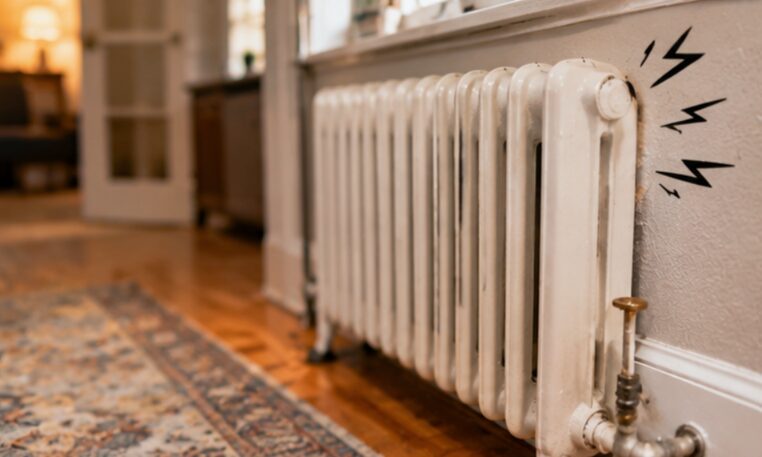
If you live in an older Kingston home, your heating system might make a few noises that sound like someone working on the pipes in your basement. A loud bang when the boiler starts, a radiator that hisses for several minutes, or water spitting onto the floor can all be signs that something needs attention.
Kingston and the West Side are still one of the region's strongholds of steam heat, with cast-iron radiators and original piping that have been running for decades.
But should you worry about every noise? Not necessarily. Banging, hissing, spitting, and gurgling each point to different problems. Here's what those sounds usually mean, what you can check safely, and when the issue may require boiler repair.
Why Do Steam Radiators Make Noise?
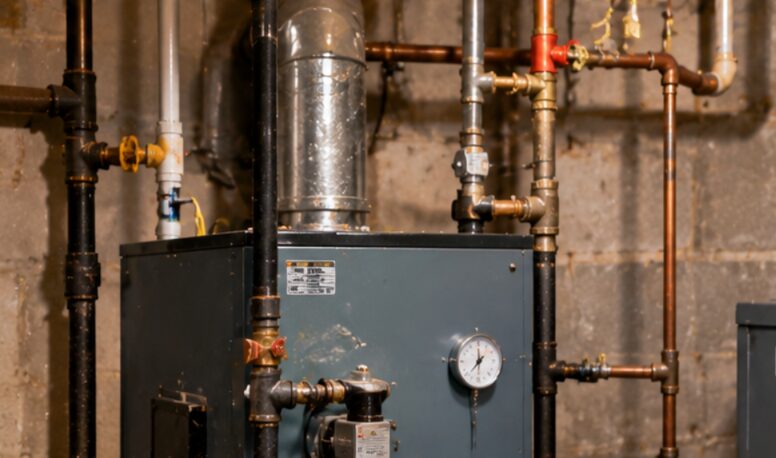
Steam heating works differently from a furnace that pushes warm air through ductwork. A boiler heats water until it produces steam, which travels through pipes to radiators throughout the house. As the steam releases heat, it cools and turns back into water, called condensate, which must drain back toward the boiler.
When everything is working properly, steam moves through the system and condensate drains without loud, repeated noises. Problems develop when water becomes trapped in the pipes, air cannot escape through the vents, or the boiler has an incorrect water level or operating pressure.
There are also two common steam radiator arrangements. A one-pipe system uses the same pipe for incoming steam and returning condensate, while a two-pipe system has separate supply and return connections. The parts and possible causes of noise differ, so identifying which system you have matters before attempting any adjustment.
Banging or Hammering: Is Water Trapped in Your Pipes?
A loud banging sound that happens when the boiler starts or steam enters a radiator is often called water hammer. It can sound like someone hitting a metal pipe with a wrench, and the noise may travel through walls and floors. In many cases, the problem involves condensate that cannot drain properly from the steam piping.
Steam needs a clear path through the pipes, and condensate needs a way to return to the boiler. If water collects in a low spot, moving steam can push against it and create a sudden impact. This is why incorrect pipe pitch is one of the first things a technician may investigate.
Common causes include:
- Incorrect pipe slope: A pipe that does not have the proper pitch can hold water instead of allowing condensate to drain.
- Sagging pipe supports: Older hangers may loosen over time, creating low spots where water collects.
- Poor radiator pitch: A one-pipe radiator generally needs a slight slope toward its supply valve so condensate can return.
- Partially closed radiator valve: One-pipe steam radiator valves should generally be fully open or fully closed, not left halfway open.
- Boiler pressure set too high: Home steam systems are designed to run at very low pressure, usually under 2 psi. A pressure control set higher pushes steam harder and can make banging and spitting worse.
If only one radiator bangs, its pitch or valve may need attention. If several pipes bang throughout the home, the problem could involve the main piping or condensate return. A technician can inspect the system and determine whether a minor adjustment or a more involved piping repair is needed.
Hissing: Does Your Radiator Have a Bad Air Vent?
A hissing sound does not always mean your radiator is broken. In a one-pipe steam system, air needs to escape from the radiator before steam can fill it. A small component called an air vent allows that air to leave, then closes when steam reaches it.
A brief hiss while the radiator warms up is generally normal. However, if the radiator continues hissing after it becomes hot, the vent may be stuck open, worn out, or no longer closing properly. You might also notice that one room heats differently from the others.
Look for these signs:
- Hissing continues throughout the heating cycle.
- Steam escapes from the vent after the radiator heats up.
- The radiator heats slowly or unevenly.
- Moisture appears around the vent.
A faulty air vent is often a localized repair rather than a reason to replace the boiler. However, if several radiators hiss continuously, the system may have a larger venting, pressure, or balancing problem. The correct vent also depends on the radiator and the steam system, so replacing it with just any available model may not solve the issue.
Never remove an air vent while the radiator is hot or the system is operating. Escaping steam can cause serious burns. Have a technician inspect a vent that leaks steam or water.
Spitting Water: Why Is Your Radiator Leaking Through the Vent?
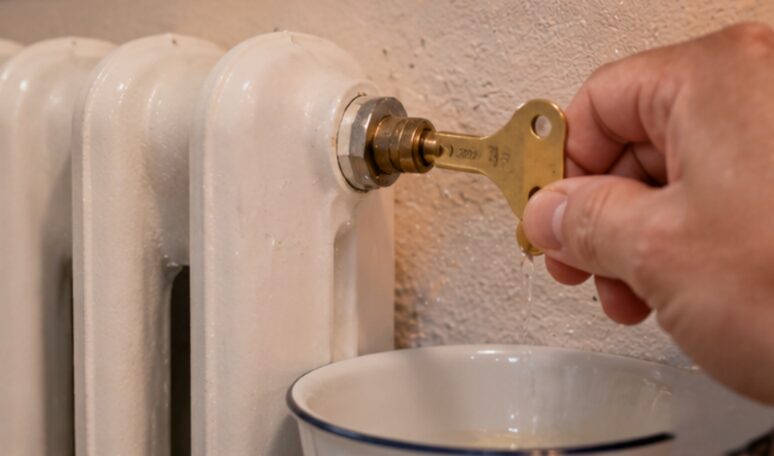
If your radiator spits water onto the floor, the problem may be more than an annoying noise. A radiator vent is designed to release air and close when steam reaches it. If the vent fails, water or steam may escape through the opening.
However, when multiple radiators spit water, the boiler itself deserves attention. An excessively high water level, dirty boiler water, or foaming can send water droplets into the steam piping. Instead of clean, dry steam reaching the radiators, water travels along with it.
Here are a few possible causes:
- Damaged air vent: A worn or stuck vent may fail to close properly.
- High boiler water level: Too much water can contribute to water carryover into the steam lines.
- Dirty or foaming boiler water: Contaminants can make the water unstable and cause wet steam.
- Incorrect operating pressure: Pressure problems can contribute to poor steam distribution and other operating issues.
If one radiator spits water, its vent may be the first place to investigate. If several radiators are affected, a technician should check the boiler water level, water condition, pressure controls, and near-boiler piping.
A single vent replacement may be a relatively small repair. Repeated water spitting throughout the home needs a broader inspection. Do not drain the boiler, remove vents, or adjust pressure controls yourself.
Gurgling: Is Condensate Draining Properly?
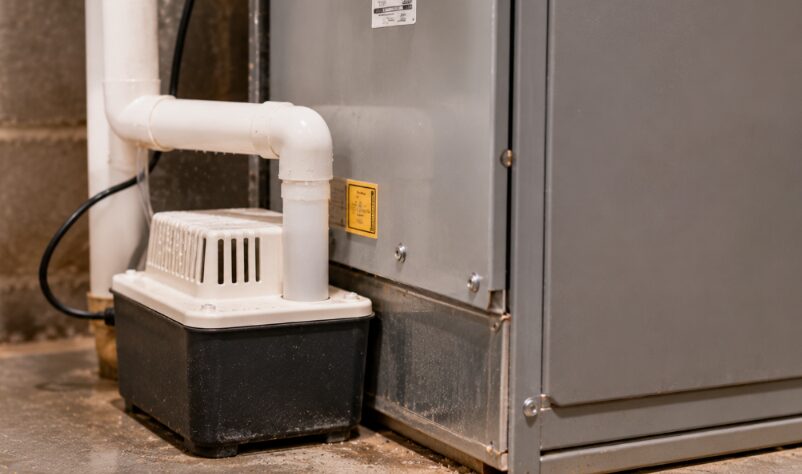
Gurgling sounds more like bubbling or water moving through a pipe than the sharp impact of water hammer. In a steam system, this can happen when condensate does not drain properly from the radiator or piping. A radiator with the wrong pitch, a sagging pipe, or a restricted return line may allow water to collect where it should not.
A low boiler water level is another issue worth checking, especially if the system frequently shuts down. Leaks or problems with the condensate return can cause the water level to drop. If the boiler's low-water cutoff activates, it may stop the burner to help protect the equipment.
If your boiler has a sight glass, you may be able to observe the water level without opening the equipment. Follow the manufacturer's instructions and do not touch hot components. A consistently low or unusually fluctuating water level should be checked by a professional.
A localized drainage or radiator-pitch problem may be a smaller repair. Recurring low-water conditions, repeated boiler shutdowns, or gurgling throughout the system deserve a full boiler inspection. Do not keep adding water without finding out why the level is dropping.
Do Noisy Radiators Mean Your Boiler Is Near the End?
Not automatically. A banging radiator does not mean you need a new boiler, and a hissing vent does not mean the entire heating system is failing. Many steam heating noises come from individual vents, radiator valves, pipe supports, or drainage problems that can be repaired without replacing the main equipment.
The question is whether the problem is isolated or part of a larger decline. One noisy radiator usually points to a local fix. Noise in several rooms, recurring water-level problems, or a boiler with corrosion and repeated leaks deserve a closer look. A boiler's age alone is not enough to decide, and our guide on whether to repair or replace an old boiler walks through the signs. If replacement does become the better option, proper sizing and compatibility with the existing steam piping are essential, so read up on boiler installation and replacement before comparing quotes.
When Should You Call an HVAC Technician in Kingston, PA?
Occasional pipe expansion sounds or a brief startup hiss may not indicate a problem. Repeated banging, water escaping from radiator vents, and frequent boiler shutdowns are different. If the noises are getting louder, happening more often, or affecting several rooms, it is time to have the system inspected.
Call an HVAC technician if you notice:
- Repeated banging: Pipes hammer loudly whenever the boiler starts or runs.
- Continuous hissing: Steam keeps escaping from a radiator vent.
- Water spitting: A radiator sprays water or repeatedly leaks around its vent.
- Unusual gurgling: Water appears to be trapped in radiators or return piping.
- Low boiler water: The sight glass shows a consistently low or unstable level.
- Frequent shutdowns: The boiler repeatedly stops heating or its low-water cutoff activates.
Avoid opening hot radiator vents, adjusting boiler pressure, or attempting repairs on live steam piping. A technician can inspect the vents, valves, pipe pitch, water level, pressure controls, and condensate return to identify where the noise is coming from. Because a steam boiler burns fuel, also keep a working carbon monoxide alarm on every level of the home and near sleeping areas.
Why Choose KO HVAC for Boiler Repair in Kingston, PA?
Steam heating requires experience with more than just the boiler itself. A banging radiator may have a piping problem, while a hissing or spitting vent may need attention at the radiator or boiler. KO HVAC Heating & Cooling provides heating services for boilers and older radiator systems throughout Kingston and surrounding Northeast Pennsylvania communities. Our goal is to identify the cause and explain whether a repair or replacement makes more sense.
If your radiators are making unusual noises, learn more about our boiler repair services. We also provide yearly heating maintenance to help catch developing problems before the heating season.
Have questions about your steam heating system? Contact KO HVAC to discuss the noises you're hearing and book a $99 diagnostic visit. We'll explain what we find and give you a flat-rate price before any work begins. Call us at 570-479-0603.
Frequently Asked Questions
Why do my steam radiators bang when the heat comes on?
Banging often happens when steam pushes against condensate trapped inside the radiator or pipes. Incorrect pipe pitch, sagging supports, a radiator tilted the wrong way, or poor drainage can cause this water hammer effect. Boiler pressure set too high can make it worse. If only one radiator bangs, the problem is usually local to that radiator.
Is it normal for a steam radiator to hiss?
A brief hiss while air escapes during startup is generally normal in a one-pipe steam system. The air vent should close once steam reaches it. Continuous hissing, or steam escaping after the radiator is fully hot, usually means the vent is stuck open or worn out and should be replaced with the correct type.
Why is my steam radiator spitting dirty water?
A damaged vent may allow water to escape, but dirty or foaming boiler water can also carry droplets into the steam pipes. A boiler water level that is too high can do the same. If only one radiator spits, start with its vent. If multiple radiators spit water, have the boiler water and controls inspected.
Can I fix a banging radiator myself?
You can check whether the radiator valve is fully open and whether the radiator appears to slope slightly toward its supply connection. Those two checks solve some single-radiator problems. Do not force old valves, adjust boiler pressure, or move steam piping. Persistent banging, or banging in several rooms, needs professional attention.
Does a noisy radiator mean I need a new boiler?
No. Many radiator noises come from faulty vents, valves, piping pitch, or condensate drainage, and those are usually repaired without touching the boiler. Replacement only becomes worth discussing when the boiler itself has corrosion, recurring leaks, or repeated failures. A technician should identify the actual problem before recommending boiler replacement.
How often should a steam boiler be serviced?
An annual professional inspection before the heating season is a sensible maintenance routine. It allows a technician to check the burner, low-water cutoff, pressure controls, water level, venting, and other safety components, and to catch small problems like a failing vent or low water before they cause a mid-winter shutdown.